Greening Transportation Infrastructure Development (GRID)
Supporting transportation infrastructure that meets human needs while protecting biodiversity and mitigating climate change
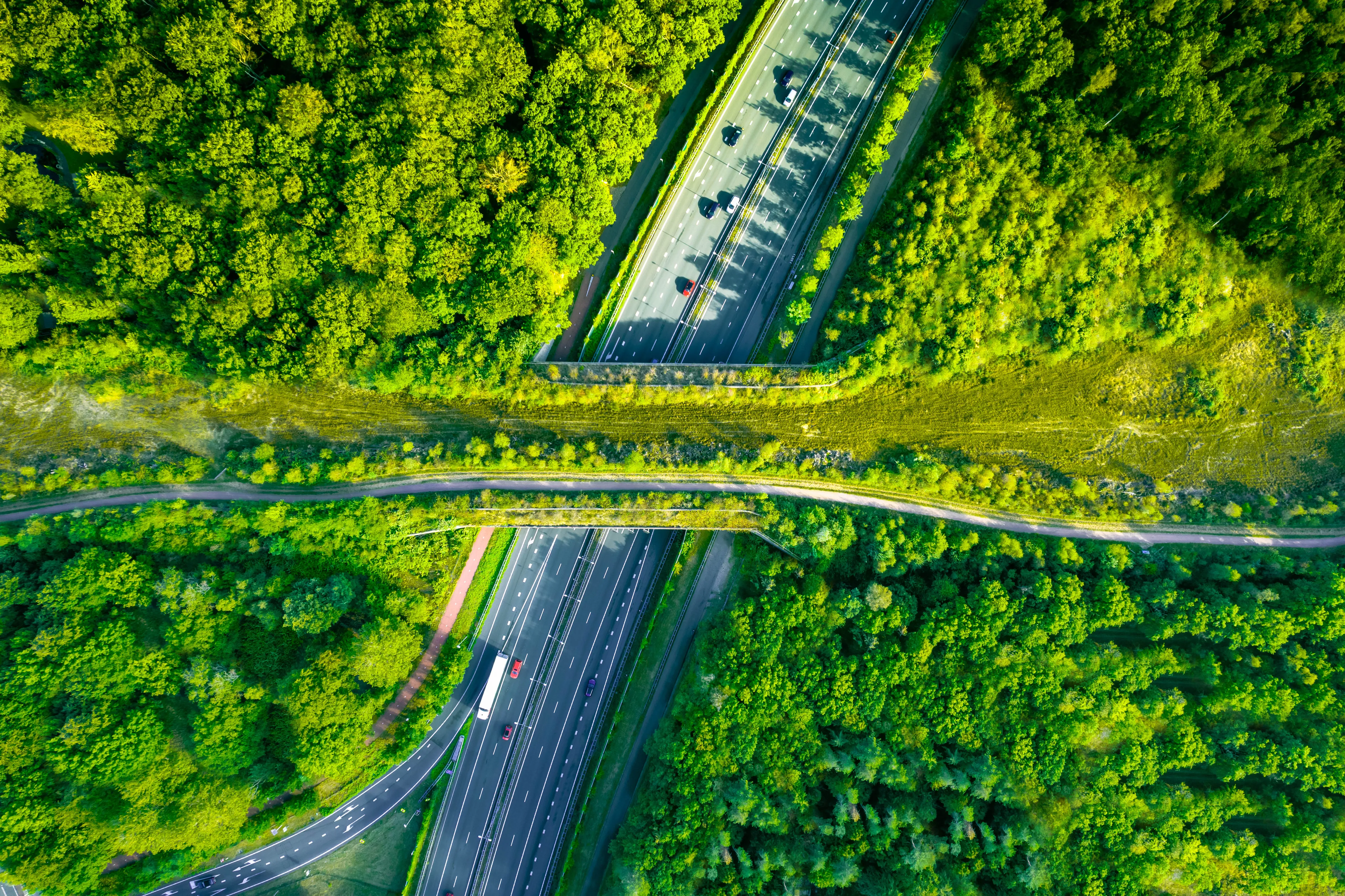
The GRID Integrated Program aims to balance transportation infrastructure needs with protecting and restoring nature. The program consists of a global knowledge platform and five country projects to drive essential changes toward more resilient and biodiversity-friendly transportation infrastructure worldwide.
Learn more
© Getty Images / Artur Debat / WWF-US
Spotlight
Building Biodiversity Into the Infrastructure Sector
This webinar spotlighted how countries are integrating biodiversity into infrastructure planning and delivery. It featured examples and remarks from representatives of the governments of Mexico, Belgium, Germany, Peru, as well as the Convention on Biological Diversity (CBD) Secretariat, WWF, and The Nature Conservancy (TNC). The event also introduced the Community of Practice on Nature and Infrastructure (CoPNI), a collaborative platform designed to support countries and stakeholders in aligning infrastructure development with global biodiversity goals. This session was hosted by the Biodiversity Mainstreaming Champions Group along with the CBD, WWF, and TNC and funded by the Global Environment Facility (GEF) and the German the Federal Ministry for Economic Cooperation and Development (BMZ) via the Germany Agency for International Cooperation (GIZ). Watch the recording or read the summary.
Read moreWhy GRID?
Transportation infrastructure—including roads, rail, waterways, and ports—plays a critical role in connecting people to goods and services and supporting economic growth. Yet, it is also a top driver of habitat loss and fragmentation worldwide, opening access for illegal logging and hunting, disrupting wildlife migration pathways, and degrading biodiversity and ecosystem services, including carbon sequestration and resilience. Environmental degradation also puts the infrastructure itself at risk from hazards such as landslides and flooding.
To protect biodiversity, reduce greenhouse gas emissions, strengthen resilience to climate change, and adequately address the growing global demand for transportation infrastructure, conventional infrastructure planning must be replaced with a process where biodiversity and ecosystem services are valued and protected. This transformation will require multisectoral, integrated, and transparent approaches.
A Global Challenge
 © Shutterstock / TierneyMJ / WWF
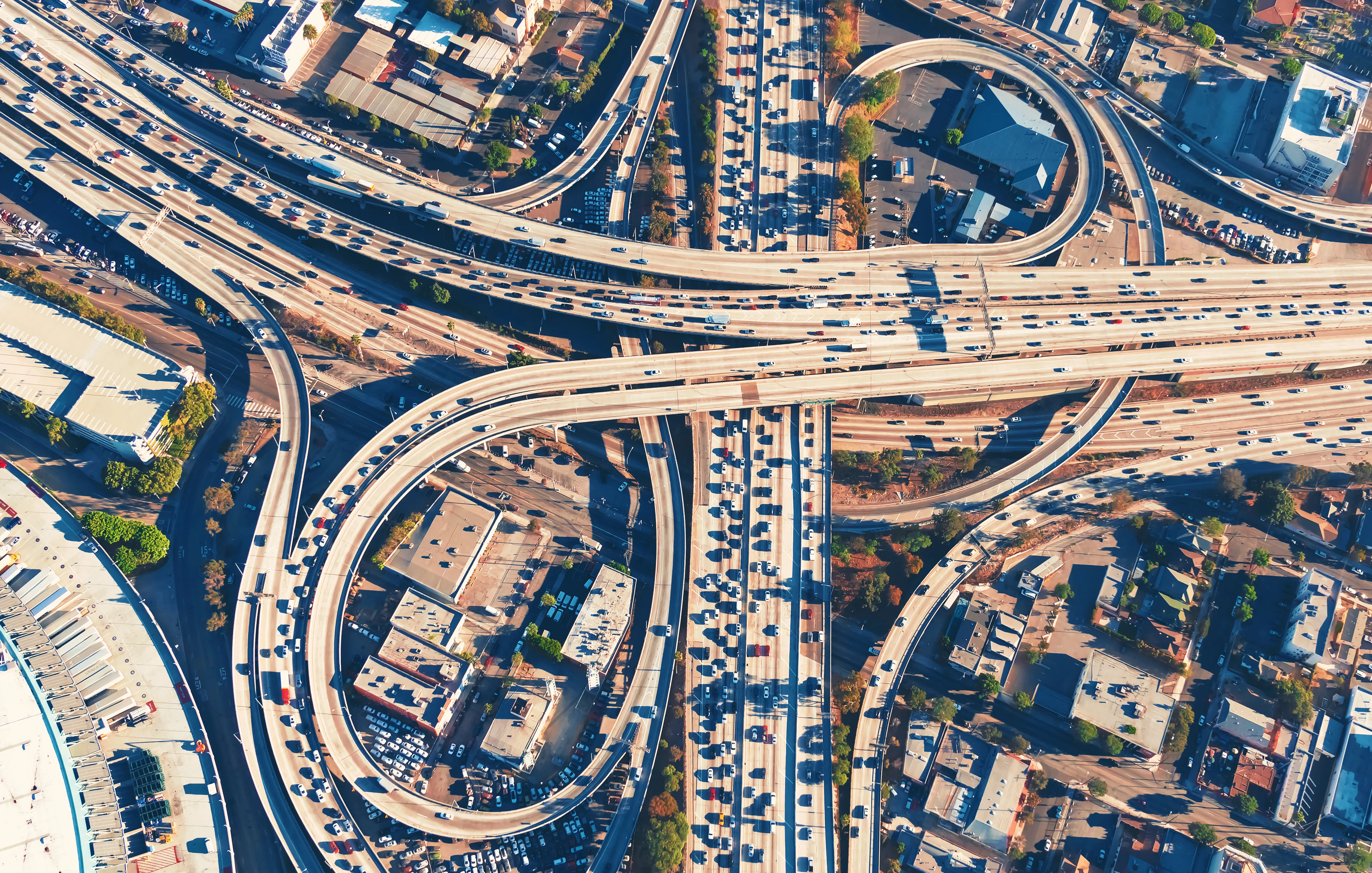
 The amount of paved roads on Earth is expected to increase 60% from 2010 to 2050, enough to encircle the world more than 600 times
 © Shutterstock / GreenOak / WWF
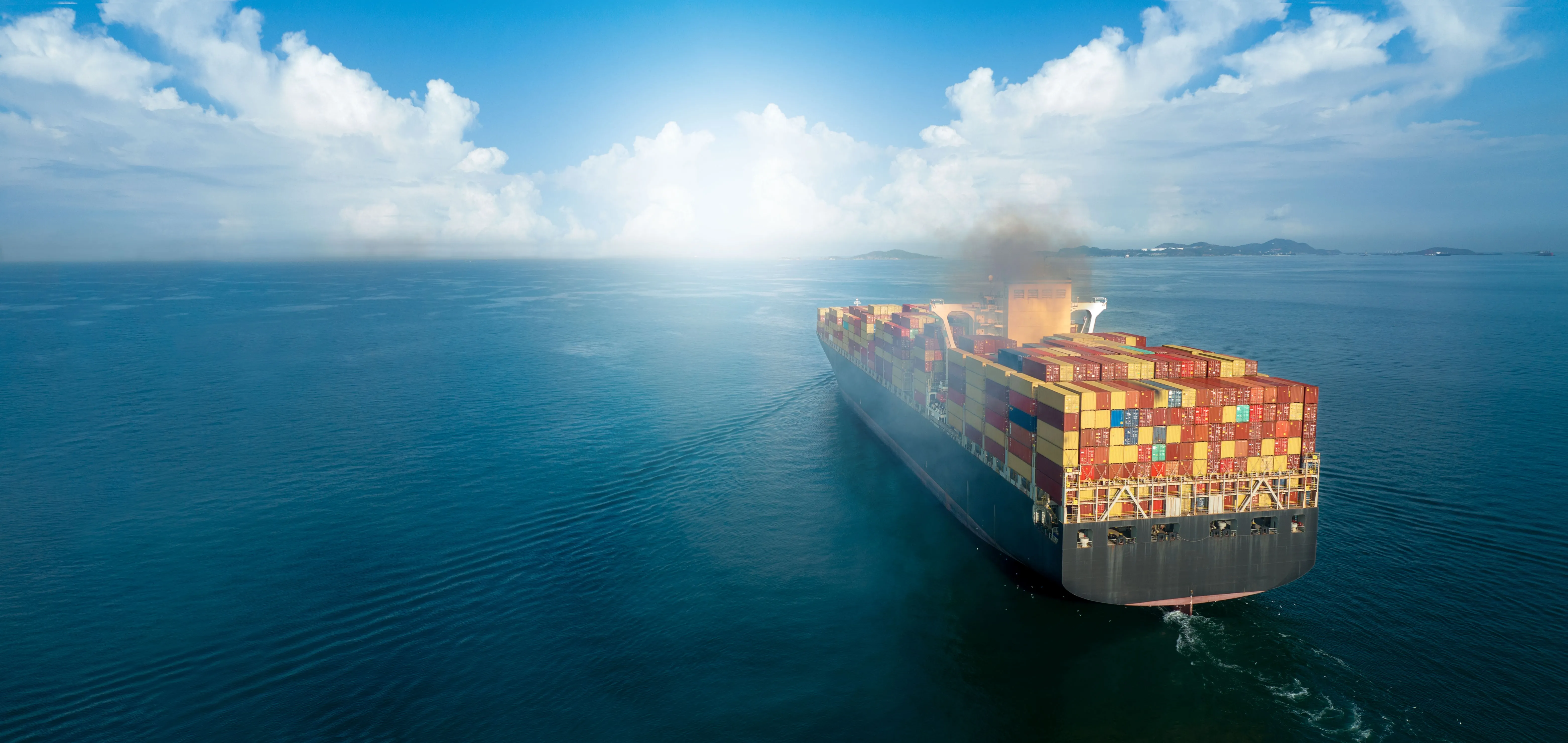
 Infrastructure contributes approximately 79% of global greenhouse gas emissions, with most associated with energy, buildings, and transport.
 © WWF-Indonesia / Riau Project
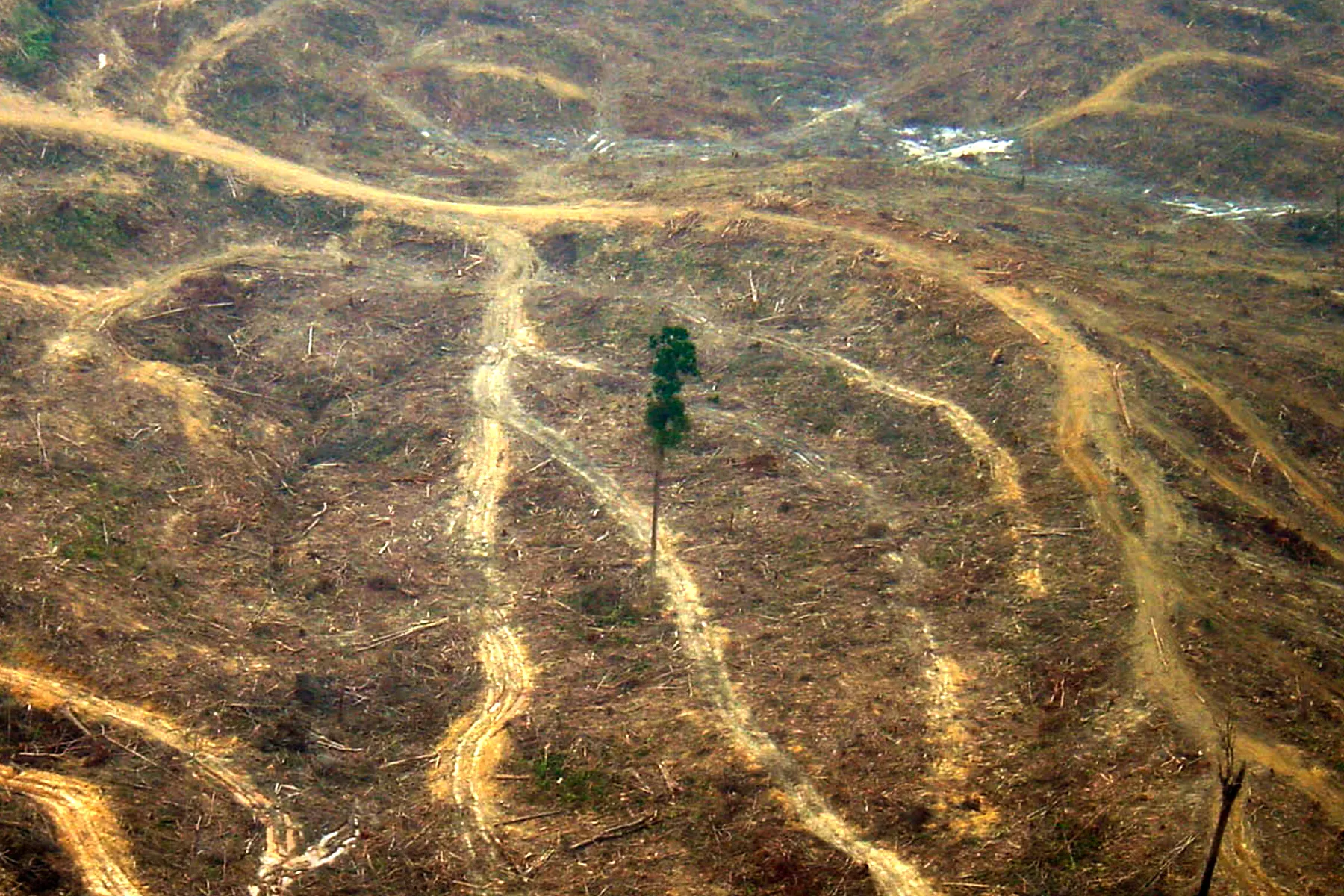
 Roads have cut the world into 600,000 habitat fragments; only 7% of patches between roads in the world are larger than 100 km2.
 © Casper Douma / WWF
 More than half of coastal wetlands have been lost due to infrastructure expansion.
Goals of GRID
GRID aims to enable countries to meet transportation infrastructure needs, including associated benefits critical to achieving the Sustainable Development Goals (SDGs), Paris Agreement goals, and Kunming-Montreal Global Biodiversity Framework targets. The program’s objective is to advance the transition toward sustainable transportation infrastructure that safeguards and enhances key coastal, marine, and terrestrial ecosystems.
GRID will focus on the following:

Improving the policy enabling environment

Strengthening integrated and participatory planning and design

Promoting innovative financing and derisking mechanisms

Building technical capacity for nature-positive infrastructure planning and development
Country Projects
GRID includes five national projects in Malaysia, Nepal, the Philippines, Suriname, and Ukraine.
Learn moreKey Environmental Benefits
By strengthening early, integrated planning and decision-making processes to inform countries’ sustainable development of transportation infrastructure, GRID will benefit ecosystems, biodiversity, our climate, and society.
 © Adriano Gambarini / WWF-US
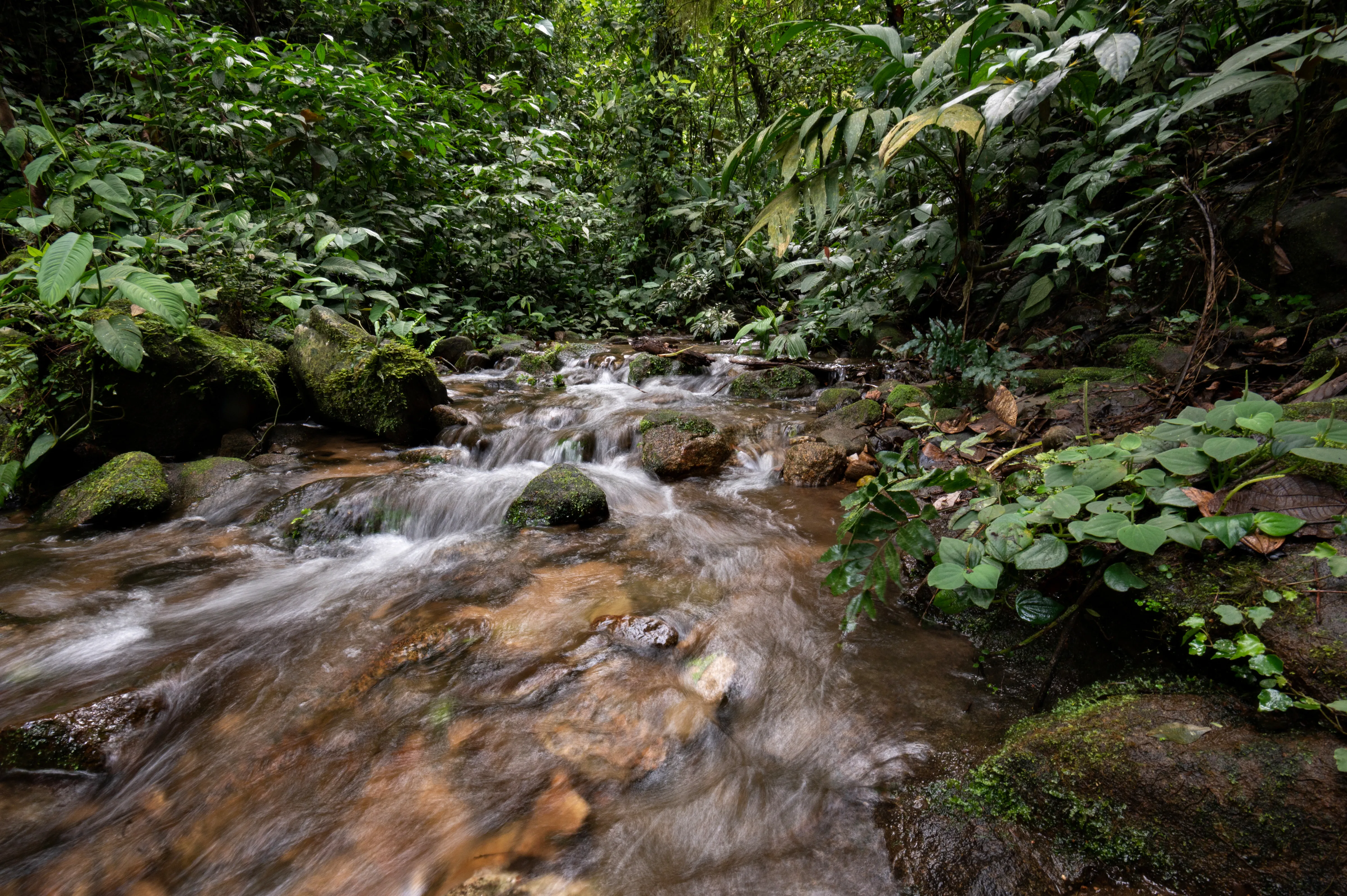
 Ecosystems
Avoiding and reducing the loss and degradation of forests, wetlands, deltas, rivers, marine, coastal, and other ecosystems due to poor planning and siting of infrastructure and conserving and restoring ecosystems through nature-positive approaches
 © Anton Vorauer / WWF
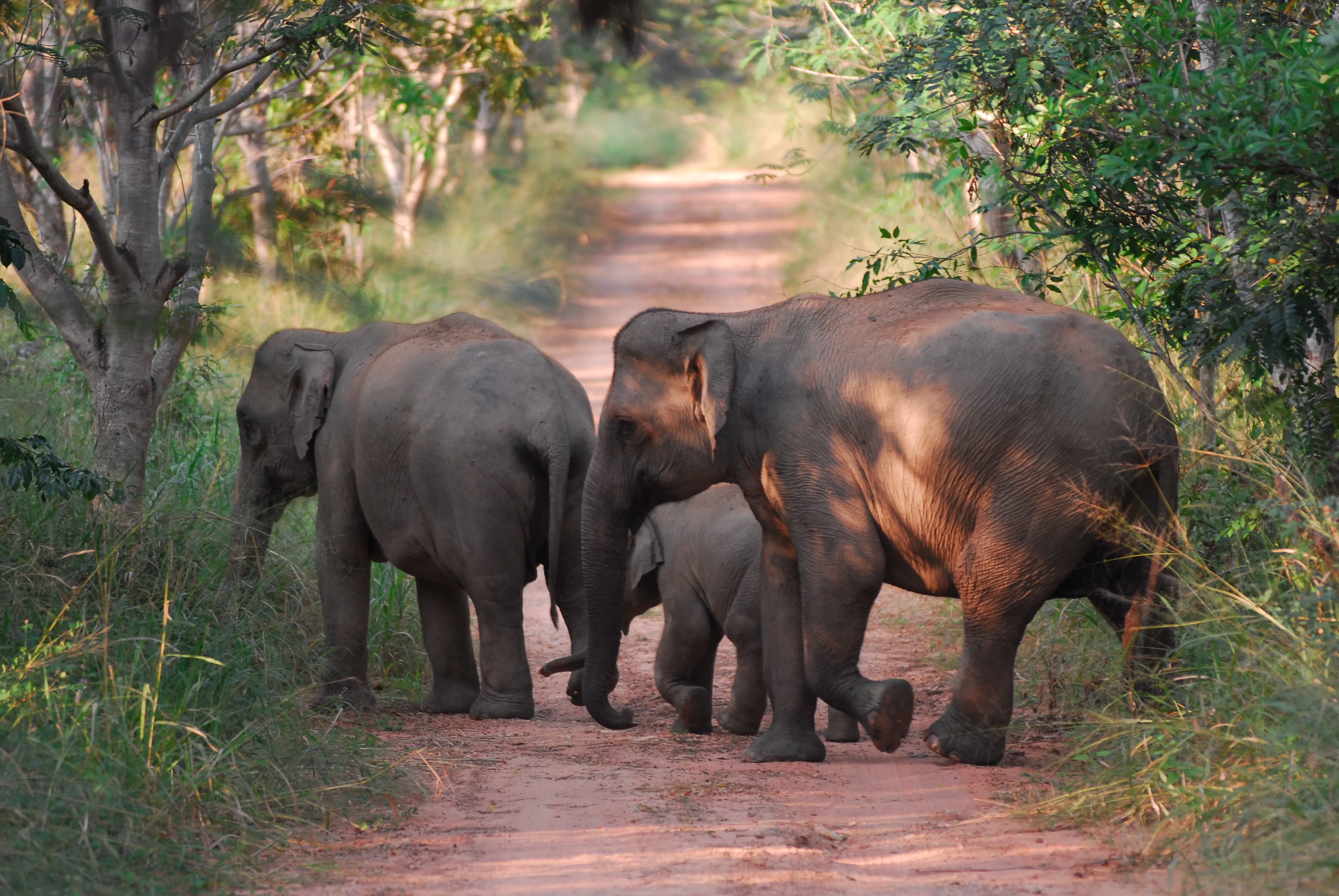
 Biodiversity
Conserving key habitats, maintaining ecological connectivity, and reducing negative impacts, including wildlife mortality from transportation infrastructure
 © Michel Gunther / WWF
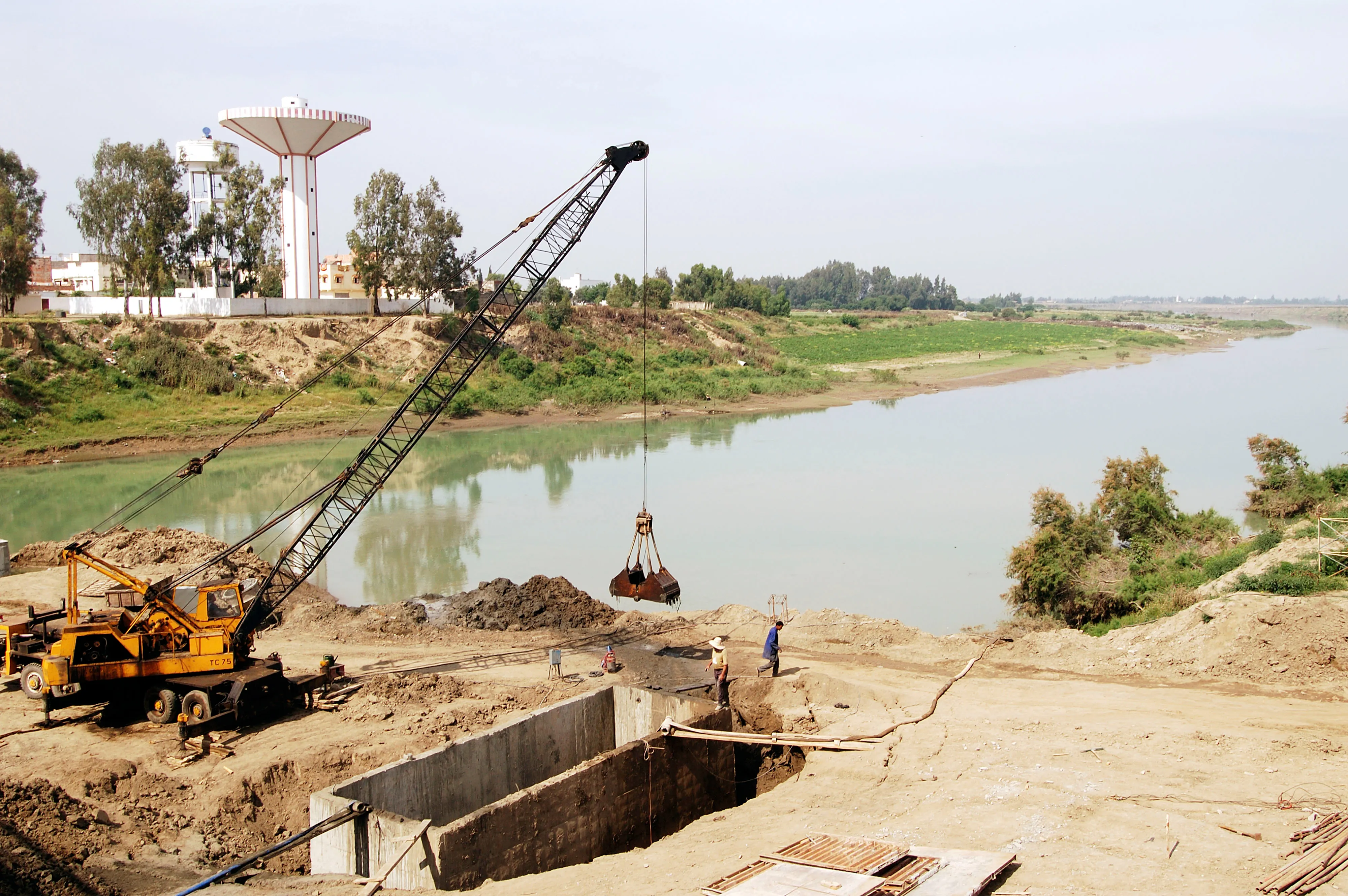
 Climate
Reducing greenhouse gas emissions linked to land degradation, deforestation, and unsustainable construction practices and increasing resilience through enhanced planning for, and maintenance of, ecosystem services that reduce climate risks
 © Greg Armfield / WWF-UK
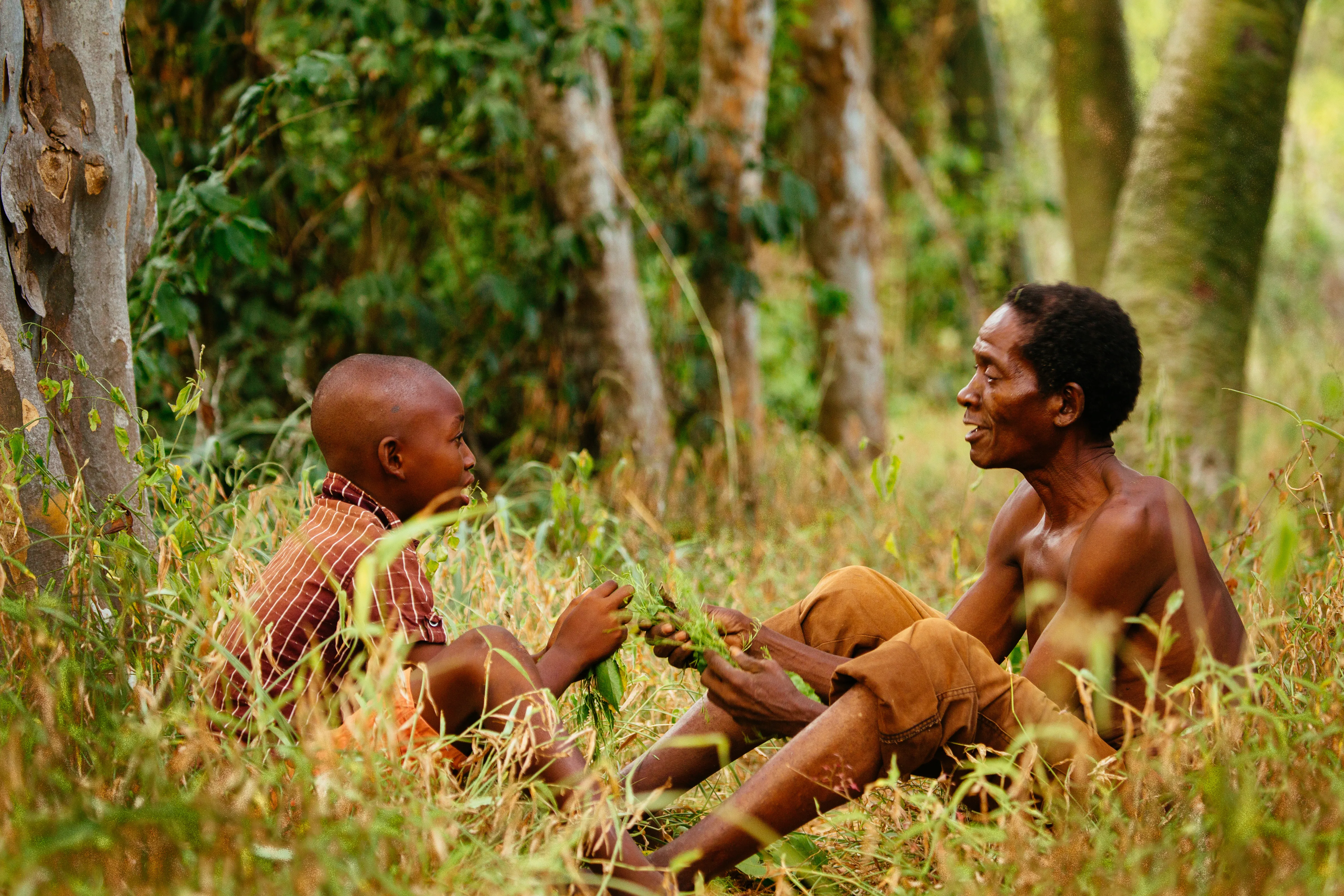
 Society
Engaging Indigenous peoples and local communities affected by transportation projects as part of participatory processes that allow projects to support communities’ needs and livelihoods; benefiting society at large by working to ensure new expected developed is nature positive
Resource Library
GRID builds on work from our project teams, partners, and other organizations around the world to advance the transition toward sustainable transportation infrastructure.
Learn More